Ruffled Feathers Parrot Sanctuary Inc.
Where Hope Takes Flight



Bird Identification Tips: Your First Step in Wildlife Rescue
Every day at Ruffled Feathers Parrot Sanctuary, our phones light up with one of the most common and most important questions we get: I just found a bird, how do I know what it is? That’s where basic bird identification tips come into play. Whether it’s a baby robin on the ground, a roadside hawk, or someone’s escaped pet parrot perched on a patio chair, bird identification tips are often the first thing we reach for. And it’s not just about curiosity, it’s often the difference between a successful rescue and a tragic mistake. After over a decade in wildlife rescue, I can say with confidence that knowing how to identify birds is a skill every Good Samaritan can learn, and it might just save a life.
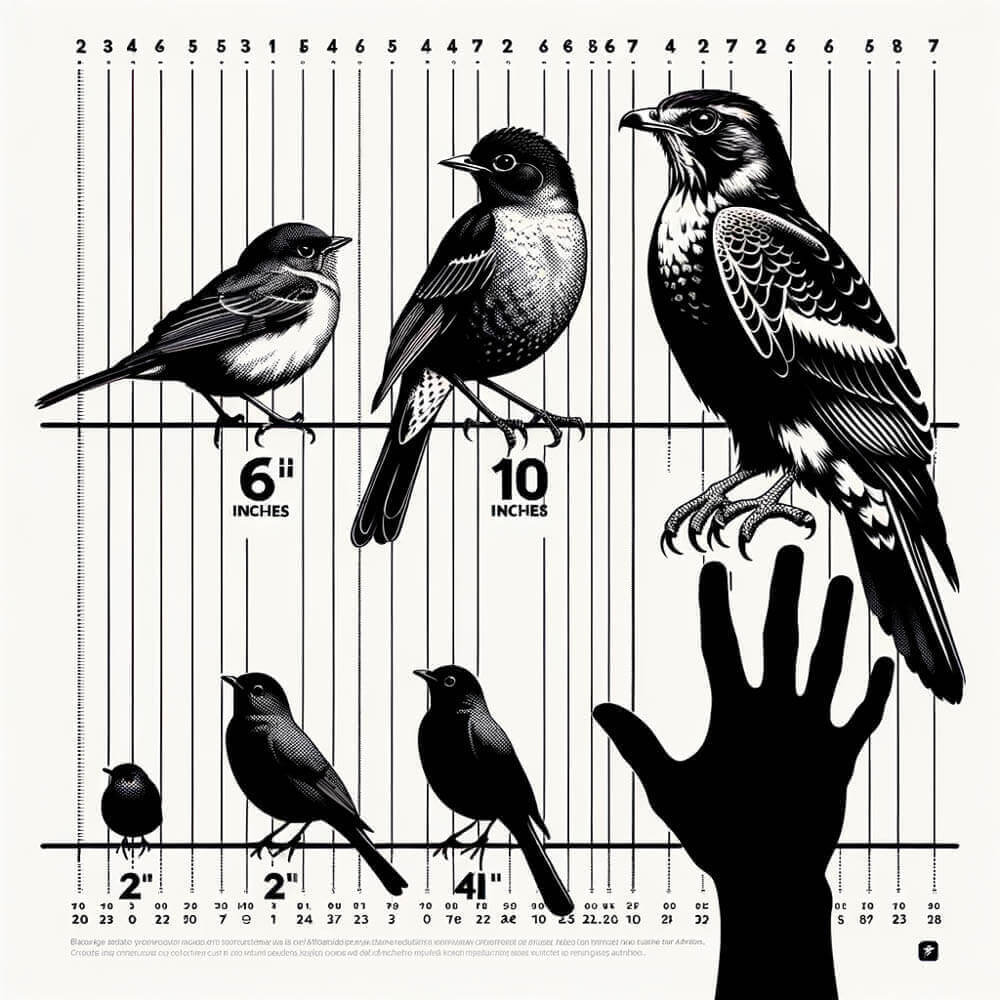
Seven Must-Know Bird Identification Tips
You don’t need binoculars or biology degrees, just your eyes, ears, and a little patience. And maybe Carl, our AI helper, if you’re stuck.
Observe First, Google Later. Put down the phone (for now) and watch. Before reaching for a guide or app, take a moment to study the bird’s actions and surroundings. Is it moving? Calling? Limping?Key bird identification tip: The bird is on the clock, you’re not. Watch first, research second.
Use Size, Shape, and Attitude. A fat, round bird with short legs isn’t likely a woodpecker. Think broad: Is it small or large? Long tail or stubby? Hops or waddles? These clues are golden. Shape and behavior give you the best bird identification tips to start narrowing things down.
Silhouettes Don’t Lie. Colors can be deceptive, lighting, feathers, and mud can change everything. Instead, learn to look for silhouette: head shape, tail length, beak size. If you’re serious about how to identify birds, start by mastering outlines
Use Your Eyes, Then Your Tools. Scan for movement with your eyes before raising your phone or binoculars. Gadgets help, but they narrow your vision. It’s one of the oldest bird identification tips, find the bird first, then zoom in.
Listen Closely. Many birds are identified by sound alone. If you hear a distinct song or odd call, try recording it. It may be the only clue you get. Sounds can solve mysteries when visual ID fails, don’t underestimate this tip!
Carry a Good Guide or App. You don’t need a library, just a reliable field guide or the Merlin Bird ID app by Cornell Lab. These are filled with bird identification tips that cover local species and their behaviors. Learn how to identify birds before you need to, it makes rescue faster and safer.
Join a Bird Nerd Near You. Want to level up fast? Go birdwatching with someone who knows their stuff. Watching one pro in action is better than hours of guesswork. You’ll pick up bird identification tips you won’t find in any book.
Before You Begin: Bird Identification Tools You’ll Need
You don’t need fancy equipment to help identify a bird in distress – I’ve done emergency IDs with nothing but my phone’s flashlight and years of experience. But having a few basics on hand makes the process smoother and safer for both you and the bird. Keep a small towel or cloth nearby – injured birds often need gentle restraint, and a soft barrier protects you from beaks and talons while keeping the bird calm. Your smartphone is your best friend here; the camera lets you capture details you might miss in the moment, and apps like https://merlin.allaboutbirds.org/ can provide instant guidance when you’re unsure. If you’re serious about helping wildlife, invest in a basic first aid kit and a secure, ventilated box for transport. But remember – identification comes first, action second. Never handle a bird unless you’re confident about what species you’re dealing with, because different birds have different needs and stress responses.
Emergency Situations: When to Call RFPS
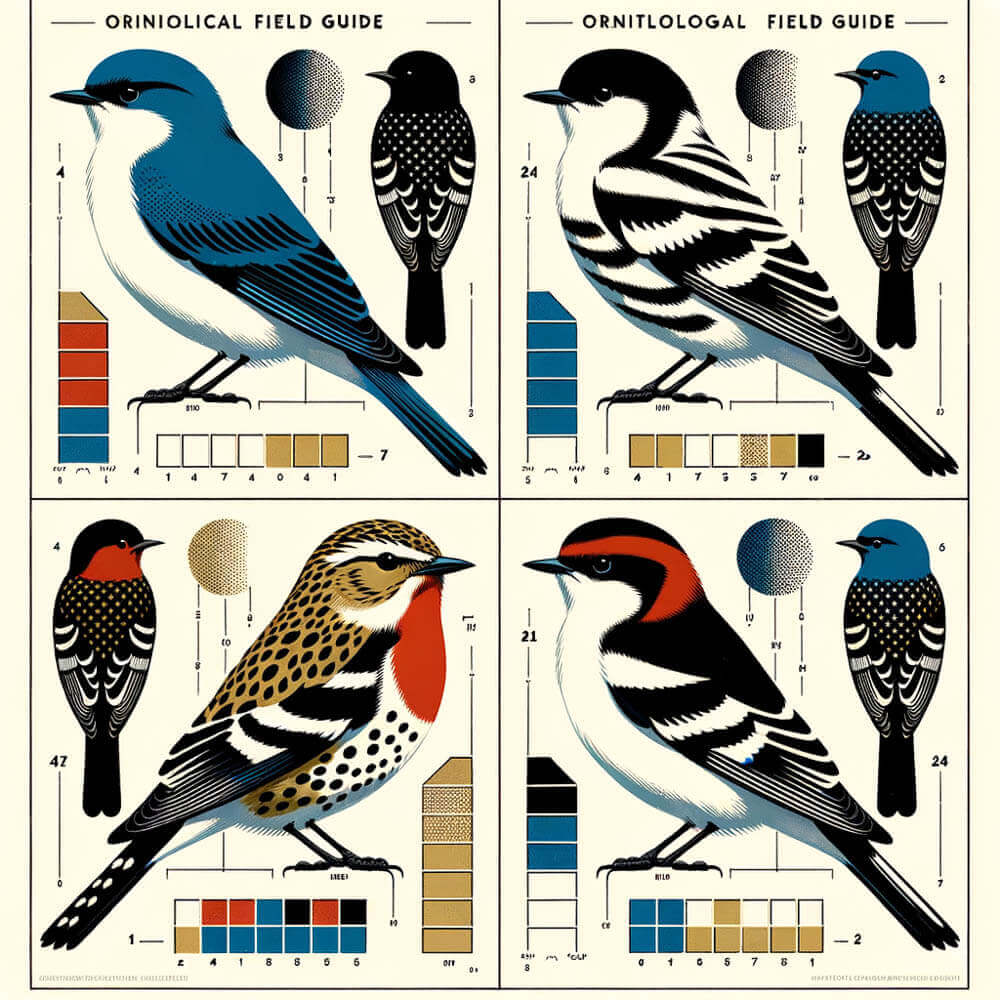
Here’s the reality: sometimes you’ll encounter a bird that stumps even experienced wildlife folks. That’s okay – it happens to all of us. After 10+ years and thousands of rescues, I still get calls that make me scratch my head. Call us immediately if you find a bird of prey (hawks, owls, eagles), any waterbird with fishing line or hooks, or exotic species that clearly don’t belong in Kentucky. These situations require specialized knowledge and permits that most people don’t have. And here’s something that makes getting help even easier – Carl, our AI assistant on the RFPS website, is available 24/7 to help you determine if what you’re seeing is truly an emergency. You can describe the situation to Carl and get instant guidance on whether immediate intervention is needed or if you’re dealing with normal bird behavior. He’s already helped me save numerous lives by providing the right answers the moment I need them, and now he’s there for you too. But here’s what really matters – if you’re unsure whether a bird needs help, make the call anyway. I’d rather get a hundred false alarm calls than miss one animal that needed our intervention. We’re available 24/7 at (502) 235-7493 because wildlife emergencies don’t follow business hours. Trust your instincts. If something feels wrong – the bird’s behavior, its location, its appearance – reach out. Whether you start with Carl on our website or call us directly, you might be the difference between life and death for that animal, and there’s no shame in asking for guidance from folks who do this every day.
Next Steps After Identification
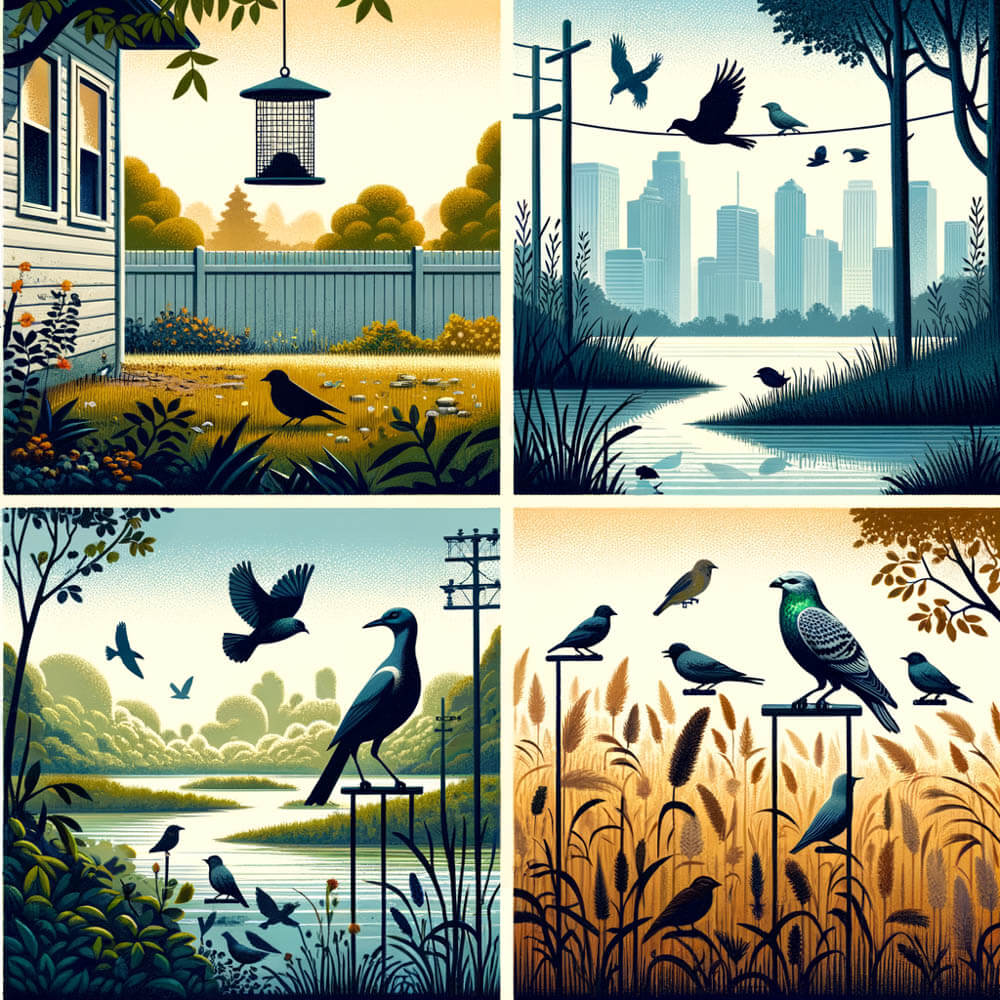
Once you’ve identified the species, your real work begins. Different birds have vastly different care requirements, and getting this wrong can be fatal.u003cbru003eFor songbirds, warmth and quiet are crucial – but never use direct heat sources that can cause burns. Baby birds need specialized diets; that bread or milk will actually harm them. Raptors require experienced handling due to their powerful talons and beaks. Document everything: photos, location found, behavior observed, any obvious injuries. This information helps us provide better care and contributes to our understanding of local wildlife patterns. We’ve tracked migration changes, identified new threats, and improved our protocols thanks to detailed reports from community members like you. Here’s something exciting – we’ve developed Carl, our AI assistant on the RFPS website, who’s already helped me save numerous lives just by having the right answers to my questions as soon as I can ask them. Whether it’s 3 AM and I’m dealing with a baby hawk emergency, or I need quick guidance on species-specific care protocols, Carl is there with instant, accurate information. He’s going to be a game changer for wildlife rescue, not just here in Louisville, but for rescuers everywhere who need reliable guidance in those critical moments. Most importantly, know your limits. Good Samaritans with the best intentions sometimes cause more harm by attempting care beyond their expertise. There’s no shame in being the person who safely contains and transports – that’s often the most critical role in a successful rescue. Remember, every bird you help matters. In our 10+ years, we’ve seen how one person’s quick thinking and proper identification has saved not just individual animals, but entire family groups. You’re part of something bigger than just one rescue – you’re part of a community that refuses to look the other way when wildlife needs help. And now, with tools like Carl available 24/7 on our website, that community has access to expert-level guidance whenever they need it most.
Some of our related content:

Where Hope Takes Flight
Share this:

Discover more from Ruffled Feathers Parrot Sanctuary Inc.
Subscribe to get the latest posts sent to your email.